Two adult trikes can carry the same motor, the same battery and nearly the same price, and still behave like different machines the first time you turn hard onto a sloped side street. The difference is geometry, and it shows up in three moments that a showroom lap around a parking lot will never produce: a corner taken faster than intended, a brake application made after the turn has already started, and a mile of road that drains toward the gutter. What follows is a way to test all three deliberately, and what to watch for while you do.
The two layouts, and where the weight goes
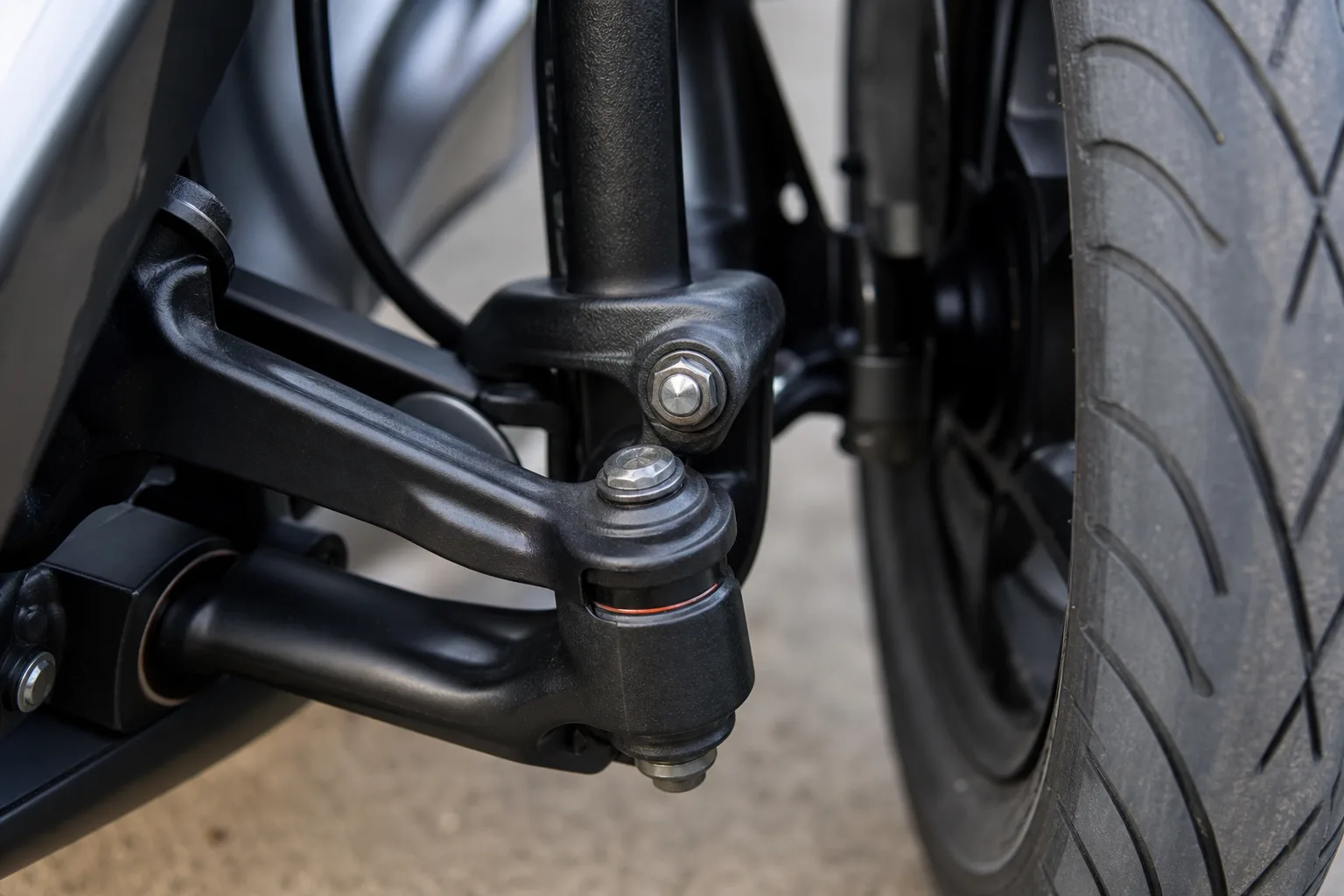
A delta trike carries one wheel at the front and two at the rear, which is the shape most people picture. A tadpole reverses that: two steered wheels at the front, one driven wheel behind, usually with the rider reclined between them. The practical consequence is where the load sits relative to the wheels that resist a sideways push. In a delta, the single front wheel is doing the steering while the mass sits behind and above it, so a fast turn loads the outside rear and unloads the inside rear. In a tadpole, the two front wheels take the cornering load and the seat sits low between them, which is why tadpoles feel planted at speeds that make a delta start to lift.
Seat height is the variable you can feel
Roll resistance is governed by how high the center of mass sits above the track width, not by wheel count. Raise the seat two inches on a delta and you have measurably reduced the cornering speed at which the inside rear wheel goes light, without changing anything else about the machine. This is why an upright delta with a tall, comfortable saddle and a rear rack loaded with groceries corners differently in the afternoon than it did empty in the morning. Check the seat adjustment range on any trike you are considering, then ask what the highest setting does to the handling, because most riders end up sitting higher than the demo bike was set.
Braking after the turn has begun
Most trikes brake on the two wheels that share an axle, which means a delta brakes with its rears and a tadpole with its fronts. Squeeze mid-bend on a tadpole and the load transfers forward onto the two wheels already resisting the turn, which usually tightens the line in a predictable way. Do the same on a delta and the load transfers forward onto the single steered wheel, away from the wheels that are actually slowing you, which can feel vague. Ask whether the trike has a brake on the front wheel too, whether the levers are balanced left to right, and whether a parking brake locks reliably on a slope. The Consumer Product Safety Commission is the federal body responsible for bicycle braking and reflector requirements, and a dealer should be able to say plainly which standards a given model was built to meet.
The differential, and the crowned road
Two driven rear wheels turning at the same rate will fight each other in a corner, because the outside wheel needs to travel farther. A trike with a true differential, or with a single driven wheel and a freewheeling partner, lets that happen without scrubbing. A solid axle does not, which is a fine trade for traction on gravel and a poor one for tight turns on pavement. Road camber compounds this. Most American streets are crowned to shed water, so a trike ridden near the shoulder is permanently tilted, and the machine will drift toward the gutter unless you steer against it. Ride a candidate trike along a sloped stretch for a quarter mile and notice how much steering pressure it takes to hold a straight line.
How to run the test ride
Ask for thirty minutes and a real route, not a lot. Find a corner you can take twice, once slowly and once at the speed you would actually use, and feel for the moment an inside wheel gets light. Brake once in the middle of a bend. Ride a cambered stretch in both directions. Then reset the seat to your height and do all three again, since the geometry that matters is the geometry you will be riding.
The layout that suits you is the one whose behavior you can predict when you are tired, loaded and slightly late. Both shapes reward a rider who has already learned what theirs does.